Rotary Dial Phone Drawing: Vintage Art for Design
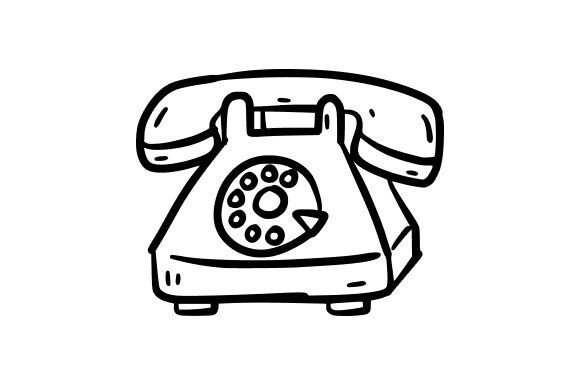
There is something quietly compelling about a rotary dial phone. It is not just a piece of communication history; it is a symbol of a slower, more deliberate time. The circular dial, the heavy handset, the tactile satisfaction of spinning each number—these details carry a weight that modern smartphones simply cannot replicate. A rotary dial phone drawing captures that nostalgia and translates it into a visual asset that works across countless creative projects. Whether you are a designer looking for a distinctive icon, a marketer building a retro campaign, or a content creator searching for an image that sparks curiosity, this vintage telephone art offers a versatile foundation.
What Makes a Rotary Dial Phone Drawing So Useful?
At its core, a rotary dial phone drawing is a piece of vector art or illustration that depicts an old-fashioned telephone with a rotary dial. But its value goes far beyond a simple depiction. The shape of the phone is instantly recognizable, which means it communicates an idea or mood without requiring any explanation. It can evoke mid-century modern aesthetics, evoke a sense of craftsmanship, or simply add a touch of character to an otherwise clean layout.
Because these drawings are often produced in scalable formats like SVG and EPS, they are not confined to a single use case. You can resize them to fit a business card or blow them up for a poster without losing clarity. The transparent PNG versions allow you to layer the phone over photographs, textures, or gradients, giving you a head start on composition. This flexibility means you are not locked into one style or dimension—you can adapt the drawing to the tone of your project.
Print Design: From Posters to Packaging
Print designers often look for elements that add depth without overwhelming the layout. A rotary dial phone drawing can work as the focal point of a poster promoting a vintage-themed event, such as a jazz night, a retro market, or a film screening. Its clean lines and recognizable silhouette make it suitable for one-color or two-color print jobs, which is especially useful for screen-printed posters or limited palette designs.
For packaging, imagine a small-batch coffee brand that wants to evoke a sense of tradition and connection. Placing a dial phone drawing on the bag or box can hint at long conversations and slow mornings. The drawing does not need to be literal; a stylised version with simple curves can integrate with modern typography and minimal branding. The key is letting the illustration reinforce the story you are telling through the product.
Web Design: Icons and Hero Sections
On the web, a rotary dial phone drawing can serve multiple functions. As an icon, it is a clear signpost for a contact page or a customer service section. Because people already associate the phone shape with communication, using a classic design rather than a generic smartphone icon can make your site feel more considered and unique. This is particularly effective for businesses that value personal service or heritage, such as law firms, real estate agencies, or boutique hotels.
In hero sections, a large vintage phone illustration can set the tone for a landing page about nostalgia, history, or handmade goods. Pair it with a warm colour palette and soft textures to create a welcoming atmosphere. Because the drawing is available as SVG, it will look crisp on retina displays without any pixelation, and the file size remains small enough not to slow down your page load times.
Presentations and Infographics
Presentations often suffer from relying on generic stock photography or overused icons. A rotary dial phone drawing can differentiate your slides when you need to discuss topics such as the evolution of technology, customer service history, or communication trends. Instead of a picture of a dusty phone, a clean vector illustration keeps the slide looking professional and intentional.
Infographics about vintage inventions or design history also benefit from this type of asset. The drawing can anchor a timeline or serve as a visual shorthand for an era. Because the file comes in EPS format, you can easily edit colours or outlines in programs like Adobe Illustrator to match your infographic’s colour scheme. This level of control is especially valuable when you need consistency across a series of visuals.
For Bloggers and Content Creators
If you run a blog about design, history, or lifestyle, a rotary dial phone drawing can enhance your featured images and social media posts. Articles about vintage decor, old-school communication, or even slow-living philosophies can use this illustration as a companion. The transparent PNG version is perfect for overlaying text on your blog graphics, allowing you to create cohesive visual branding without hiring a designer for every post.
Instagram and Pinterest thrive on visuals that stop the scroll. A well-composed image of the phone drawing, perhaps combined with a flat lay of retro items, can attract engagement. Because the illustration is high-resolution, you can zoom in on details like the dial holes or the coiled cord to create a variety of posts from a single asset. This helps maintain a consistent look across your content without needing to source new imagery constantly.
For Educators and Trainers
Teachers and trainers can use the drawing in educational materials about the history of technology, industrial design, or even media studies. The rotary dial phone is a tangible example of how interaction design has changed over the decades. Showing a detailed drawing allows students to examine the physical interface without needing access to an actual vintage phone. The SVG format means you can include the image in handouts, slides, or digital worksheets at any scale.
For younger audiences, the drawing can spark curiosity. Compare it to a modern smartphone and ask students to identify what clues designers left for users. Discuss why the dial is circular, why the numbers are arranged that way, and how those choices affect usability. The illustration becomes a teaching tool, not just a decoration.
For Small Business Owners and Freelancers
Small business owners often have limited budgets for design assets. A single rotary dial phone drawing that comes in multiple formats is a cost-effective way to add a professional touch to various materials. Use it on your website, in your email newsletter, on promotional flyers, and even on stickers you hand out at events. Because the files are high quality, you are not sacrificing production value for affordability.
Freelancers in industries like copywriting, consulting, or creative services can use the drawing to reinforce their personal brand. If you position yourself as a bridge between traditional expertise and modern methods, the vintage phone illustration can subtly communicate that blend of timelessness and adaptability. Place it on your about page or behind your profile photo for a memorable impression.
Maintaining Quality and Consistency Across Projects
One of the greatest advantages of working with a vector-based rotary dial phone drawing is the control it gives you over the final look. Since SVG and EPS files are resolution-independent, you can scale the illustration from a tiny favicon to a massive banner without losing edge sharpness. This is critical when you need a consistent visual identity across print and digital platforms.
For projects that require a more photographic look, the high-resolution JPG provides a solid base. You can apply filters, adjust the lighting, or composite it with other images in Photoshop. The transparent PNG, meanwhile, is your best friend when layering. Drop the phone drawing onto a textured background, experiment with duotone effects, or place it inside a circle frame for a sleek icon. The transparency ensures you do not have to spend time removing a background.
To keep your work organized, maintain a folder with all four formats for each drawing. Name them clearly (e.g., rotary-dial-phone-drawing.svg, rotary-dial-phone-drawing.png) so you can quickly grab the right file for the medium. This habit saves time and prevents mistakes like accidentally using a low-res version for a large print.
Practical Inspiration for Your Next Project
Here are a few concrete ideas to get you started, whether you are working on a professional commission or a personal creative project:
- Brand identity for a vintage rental business. Use the phone drawing as the logo or a supporting graphic on your website, business cards, and vehicle wrap. Pair it with a serif font and warm earth tones.
- Sticker pack for stationery lovers. Print the drawing as stickers in metallic gold or copper foil. The circular dial and handset shape translate well to small-format stickers that people love to put on laptops, notebooks, and water bottles.
- Social media template series. Create a set of Instagram story templates featuring the phone drawing as a frame. Add transparent overlay text with prompts like “Who would you call right now?” or “What number do you remember by heart?” to encourage engagement.
- Infographic on communication milestones. Place the rotary dial phone drawing at the start of a timeline that moves through push-button phones, cordless landlines, flip phones, and smartphones. The consistency of the vector style keeps the graphic cohesive.
- Wall art for a cafe or co-working space. Print the drawing in large format on archival paper or canvas. A monochrome version works well in minimalist interiors, while a cyanotype-style blue version adds an artistic twist.
These ideas are just starting points. Once you have the drawing in your creative toolkit, you will likely discover applications that are specific to your audience or industry. The key is to treat the illustration as a flexible component rather than a finished piece—rotate it, colour it, combine it with other elements, and see where it leads.
Choosing the Right File Format for Your Workflow
Each format included in this asset serves a distinct purpose, and knowing which one to use will streamline your process:
- SVG is ideal for web and UI design. It remains sharp at any size, supports animation, and integrates with CSS for interactive effects. Use it when you need to code the drawing directly into a website or app.
- EPS is the standard for professional print workflows. Open it in Illustrator or CorelDRAW to edit paths, apply spot colours, or export to other formats like PDF for press-ready files.
- JPG works for quick mockups, social media posts, or any situation where you need a high-resolution pixel image. Because it is compressed, it is easy to share and upload, but avoid resizing it too large.
- Transparent PNG is your go-to for layered compositions. Use it in presentations, over photos, or inside design tools like Canva and Figma where you need the background to disappear.
Having all four formats means you can move between projects without conversion delays. You are not locked into one ecosystem, and you are prepared for unexpected requests from clients or collaborators.
Bringing Retro Character to Modern Work
The beauty of a rotary dial phone drawing lies in its ability to bridge eras. It is not just a nostalgic throwback; it is a design tool that adds texture, humanity, and a sense of narrative to whatever it accompanies. Whether you are creating a polished brand guide or a playful social media graphic, this vintage telephone art provides a foundation that is both reliable and inspiring. The quality of the files ensures your work stays professional, and the flexibility of the formats means you can adapt it to almost any medium.
When you are ready to bring this asset into your next project, you will have everything you need at your fingertips. Download the SVG, EPS, JPG, and transparent PNG files, and start experimenting. A single drawing can be the spark that turns an ordinary layout into something memorable.