Carrot Line Art: A Versatile Vegetable Outline Drawing for Creators
When you think about a simple carrot, you probably imagine its bright orange color, earthy flavor, and crunchy texture. But strip away the color, and what remains is a shape that designers, educators, and business owners have come to rely on: the carrot line art. This vegetable outline drawing captures the essence of a carrot using clean, minimal strokes. It is a visual foundation that works across countless creative projects, from print design to digital stickers.
What makes this style so appealing is its clarity. A well-crafted carrot line art communicates the idea instantly. There is no need for shading, gradients, or complex textures. The outline itself tells the story. For someone working on a tight deadline or a limited budget, that simplicity translates into efficiency. For a hobbyist exploring vector art for the first time, it offers a forgiving entry point into design.
What Exactly Is Carrot Line Art?
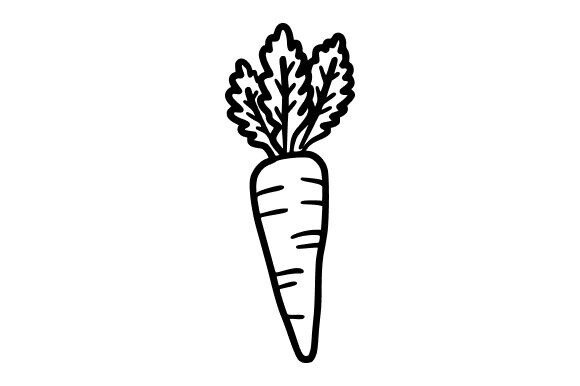
Carrot line art refers to the black-and-white outline drawing of a carrot, often created as a clean vector graphic. The illustration typically features the tapered root body, the leafy top, and subtle details like horizontal ridges or a slight curve. It is intentionally simplified, so it can be scaled, colored, or placed into any layout without losing its recognizable shape. The files you receive usually include SVG, EPS, JPG, and transparent PNG formats, each serving a different purpose depending on your project.
Because the design is stripped down to essential lines, it works well for both large posters and tiny icons. The scalability of vector formats like SVG and EPS means you can resize the carrot to fit a billboard or a business card without pixelation. The transparent PNG is especially handy for overlays, allowing you to drop the carrot onto any background in seconds.
Why Different Creators Value This Illustration Differently
No two creators approach a project the same way. A marketer prepping a nutrition infographic has different priorities than a hobbyist making custom stickers for a farmer's market booth. Understanding these differences helps you decide whether carrot line art fits your own needs.
Designers and Creative Professionals
For professional designers, time is often the scarcest resource. A ready-made vector of carrot line art eliminates the need to draw from scratch. You can open the EPS file in Illustrator, tweak the stroke weight, swap black lines for brand colors, and incorporate it into a layout within minutes. The reliability of vector formats means you never worry about resolution issues during client revisions. If you are designing a series of vegetable icons for a grocery app, having a consistent line art style across all produce saves hours of repetitive work.
Flexibility matters here. You might want to use the carrot outline as a base and then apply a watercolor texture, a dotted pattern, or a neon glow effect. Because the line art is clean and self-contained, it accepts these treatments gracefully. The SVG format is particularly useful for web designers who want inline scalable graphics that load quickly and stay crisp on retina displays.
Marketers and Content Creators
Marketers often need visuals that communicate a message fast. A carrot line art illustration works perfectly in infographics about healthy eating, garden planning, or cooking tips. It is neutral enough to pair with bold headlines and colorful charts without competing for attention. If you create social media posts, the transparent PNG lets you drop the carrot onto a photo of a salad or a garden bed instantly. No tedious masking required.
For email newsletters, an SVG version can be embedded directly, ensuring it looks good on mobile devices and desktops alike. The commercial value here comes from speed: you can iterate on designs quickly without waiting on an illustrator. If you are a content creator producing recipe cards or meal prep guides, having a consistent set of vegetable line art builds visual brand recognition over time.
Educators and Homeschoolers
Teachers and educators use carrot line art for worksheets, flashcards, and classroom decorations. The bold outline is easy for young children to see and color inside. You can print a JPG version for a coloring activity, or use the SVG to create a matching game where kids pair the carrot outline with the word. The learning value is high because the simplicity removes distractions, letting students focus on the shape and name of the vegetable.
For homeschooling parents, these files are a practical resource. You can print as many copies as you need, resize them for different activities, and reuse them across multiple lessons. The fact that the files come in multiple formats means you can work on a tablet or a home printer without format conflicts.
Small Business Owners and Entrepreneurs
If you run a small farm, a CSA box service, or a juice bar, carrot line art can appear on your packaging, signage, or promotional materials. A clean vegetable outline communicates freshness and natural quality without looking overly commercial. You might use the EPS file to have stickers printed for your produce bags, or embed the SVG on your website's product page. The cost-effectiveness of a one-time download versus hiring a designer for custom art is significant, especially when you are bootstrapping your business.
Long-term usefulness matters here. As your business grows, you may need the same carrot graphic on a food truck wrap, a banner for a farmer's market, and a digital ad. Having vector files ensures consistency across all those touchpoints. You can also invert the colors, rotate the carrot, or combine it with other vegetable outlines to create a cohesive set of brand assets.
Hobbyists and DIY Enthusiasts
Not everyone needs professional-grade assets for commercial purposes. Hobbyists enjoy carrot line art for personal projects like scrapbooking, bullet journaling, Cricut cutting, or handmade cards. The transparent PNG is especially friendly for crafters who use software like Canva or Silhouette Studio. You can layer the carrot onto a patterned background, add a fun quote, and print it on sticker paper.
For someone new to design, working with a pre-made line art file reduces frustration. You get to experience the satisfaction of creating something polished without mastering drawing techniques. The SVG format is also forgiving: if you make a mistake while resizing or editing, you can always revert to the original file. The hobbyist perspective prioritizes ease of use and immediate results rather than professional-grade output.
How to Choose the Right Format for Your Project
Each file format serves a distinct purpose. Understanding these differences helps you match the carrot line art to your specific workflow.
SVG (Scalable Vector Graphics): Use this for web design, app prototypes, or any situation where you need infinite scalability. SVGs render crisply on all screen sizes and can be styled with CSS. If you are building a recipe blog or a healthy eating landing page, SVG is your best bet.
EPS (Encapsulated PostScript): This is the go-to format for professional design software like Adobe Illustrator or CorelDRAW. You can edit individual anchor points, change stroke properties, and export to any other format. EPS files are ideal for print design work where precision matters.
JPG (High-Resolution Image): Use JPG when you need a ready-to-use raster image. It works for presentations, email attachments, or quick prints. The high resolution means it holds up well in standard document sizes.
Transparent PNG: This is the most versatile format for overlays and composites. Drop the carrot onto any colored background, photo, or texture without a white box around it. PNGs are excellent for social media graphics, stickers, and video thumbnails.
Practical Considerations Before You Download
Before you commit to a carrot line art asset, think about your own project requirements. Ask yourself a few questions:
- What is the final output medium? Print, digital, or both? If you need both, vector formats cover you.
- How much editing do you plan to do? If you want to change stroke thickness or add color, start with SVG or EPS.
- What is your skill level with design software? Beginners may prefer PNG or JPG for immediate use, while experienced users will appreciate the flexibility of vectors.
- Do you need consistency with other graphics? If you are building a set of vegetable line art, look for assets that share a similar style and stroke weight.
- How important is scalability? If you might enlarge the graphic for banners or posters, avoid raster formats unless they are very high resolution.
The answers to these questions will guide you toward the right format and help you get the most value from the illustration. There is no single right choice, only the one that fits your workflow.
Who Benefits Most from Carrot Line Art?
Honestly, this asset is useful for a wide spectrum of people. But the ones who benefit most are those who need a recognizable, versatile vegetable graphic without spending hours creating it themselves. That includes:
- Freelance designers juggling multiple client projects
- Small business owners handling their own marketing
- Teachers and educators preparing classroom materials
- Content creators producing regular healthy-living content
- Hobbyists exploring digital design for the first time
If you fall into any of these categories, having a reliable carrot line art file in your collection removes one more obstacle between you and a finished project. It is a small investment of time and money that pays back in convenience and consistency.
Evaluating Quality and Long-Term Value
When you evaluate a carrot line art asset, look at the line quality. Are the curves smooth? Is the leaf structure balanced? Does the stroke weight feel intentional? Clean line art should look confident, not shaky or overly complex. A good outline drawing is easy to read at small sizes and still visually interesting at larger scales.
The long-term value of this asset depends on how often you create content related to vegetables, gardening, healthy eating, or cooking. Even if you only use it once, the time saved compared to drawing from scratch is significant. But if you produce seasonal content, recipe collections, or educational materials, the same carrot will appear again and again in different contexts. That kind of reusability makes the asset more valuable than a one-off illustration.
For professionals, the ability to modify the file without losing quality ensures it remains useful as your brand evolves. The same carrot line art that worked for a minimalist black-and-white menu might later become part of a colorful, playful sticker set. Having the original vector files means you never have to redraw it.
Final Thoughts on Adding Carrot Line Art to Your Toolkit
Carrot line art is deceptively simple. It looks easy, but a well-made vegetable outline drawing takes skill to create. By using a pre-made file, you skip the drafting stage and jump straight to applying the graphic in your project. Whether you are a seasoned designer or someone just starting out, the combination of SVG, EPS, JPG, and PNG formats gives you flexibility across every common use case.
If you are tired of searching for the right vegetable graphic or settling for low-quality clip art, this asset offers a clean, professional alternative. It adapts to your needs rather than forcing you to adapt to it. And because the files are ready to use, you can focus on the creative part of your project instead of the technical setup.
Ready to make your designs stand out? Get it today and see how a simple carrot outline can open up new possibilities in your work.