Healthy Sleep Tips Infographics: Visual Guidance for Restful Nights
Sleep has become one of the most discussed pillars of wellness in recent years, and for good reason. In a world that never stops buzzing, restful sleep often feels like an elusive luxury rather than a biological necessity. Healthy Sleep Tips Infographics have emerged as a powerful tool for translating complex sleep science into clear, actionable guidance. These visual resources combine compelling design with evidence-based advice, helping people understand not only how to sleep better but why their current habits may be working against them. Whether displayed as a poster, shared on social media, or included in a wellness presentation, infographics on sleep offer a snapshot of practices that can genuinely improve daily life.
What makes this particular category of infographics so relevant today is the convergence of visual learning preferences and a growing public awareness of sleep's role in cognitive performance, emotional stability, and long-term health. Adults between twenty and fifty—especially professionals, creators, and entrepreneurs—are increasingly aware that burning the candle at both ends is not a sustainable strategy. They are actively seeking practical, digestible information that fits into their fast-paced routines. Healthy Sleep Tips Infographics meet that need by distilling guidelines, causes of insomnia, and actionable rules into a format that can be understood at a glance.
Why Visual Sleep Guidance Resonates With Modern Audiences
The shift toward visual communication is not a passing trend. People are processing more information in less time than ever before. Text-heavy articles and dense research papers, while valuable, often fail to capture attention in an environment dominated by scrolling and skimming. Infographics bridge that gap. They use color, hierarchy, and imagery—such as the familiar man sleeps on pillow vector illustration—to create an immediate emotional connection. When someone sees a calm figure resting peacefully, accompanied by bullet points of good sleep rules, the message lands faster and sticks longer.
For professionals juggling deadlines, creators managing multiple projects, and entrepreneurs running their own ventures, sleep is often the first thing sacrificed. Yet the irony is that sleep deprivation directly undermines the focus, creativity, and decision-making abilities required for success. Infographics that pair causes of insomnia with practical countermeasures provide a gentle but firm reminder that rest is not optional. They reframe sleep as a productivity tool rather than a waste of time.
Additionally, the visual nature of these resources makes them highly shareable. A well-designed infographic can be posted in a team Slack channel, pinned in an office break room, or included in a newsletter. This accessibility multiplies its impact, spreading healthy care recommendations for good sleep beyond the original audience.
Understanding Insomnia Through a Visual Lens
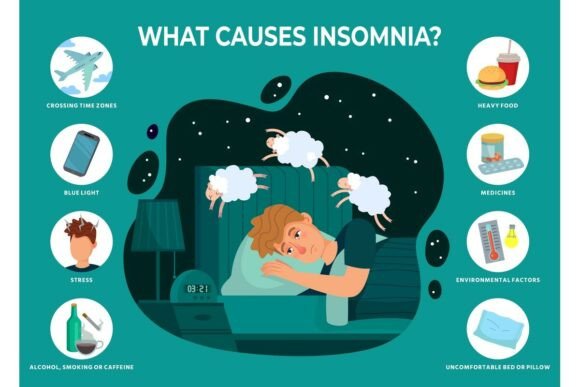
Insomnia is one of the most common sleep disorders, yet many people struggle to identify its root causes. Healthy Sleep Tips Infographics often dedicate a section to the factors that disrupt sleep, presented in a clear, categorized format. Common culprits include stress and anxiety, irregular schedules, excessive screen time before bed, caffeine and alcohol consumption, and an unsupportive sleep environment.
When these causes are visualized—perhaps through icons representing a glowing phone, a coffee cup, or a cluttered bedroom—the message becomes more concrete. Readers can quickly scan the list and recognize their own habits. This self-awareness is the first step toward change. For example, a marketing manager who sees “blue light exposure before bed” highlighted alongside “difficulty falling asleep” may decide to implement a digital curfew. A freelance designer who notices “inconsistent wake times” might begin setting a morning alarm even on days without client calls.
The infographic format also allows for nuance. It can show how multiple causes interact, such as stress leading to late-night work, which increases screen time, which in turn delays melatonin production. This layered understanding is more effective than a simple list because it mirrors the complexity of real life.
The Core Components of a Good Sleep Rules Infographic
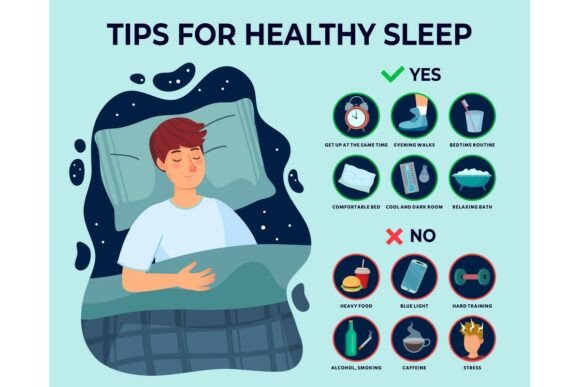
A quality Healthy Sleep Tips Infographic typically organizes its content around a handful of evidence-based principles. These good sleep rules are not arbitrary; they stem from decades of sleep research and clinical practice. Among the most commonly featured are maintaining a consistent sleep schedule, creating a restful environment, limiting caffeine and large meals before bedtime, and managing stress through relaxation techniques.
One of the most impactful rules is the importance of routine. The human circadian rhythm thrives on predictability. Going to bed and waking up at the same time each day—even on weekends—helps regulate the body's internal clock. Infographics often illustrate this with a simple timeline or clock graphic, reinforcing the idea that consistency matters more than total hours slept.
Another rule that resonates strongly with the target audience is the concept of a wind-down period. For professionals and creators whose minds remain active long after work ends, transitioning from “on” mode to sleep mode is critical. An infographic might recommend activities such as reading a physical book, taking a warm bath, or practicing gentle stretching. Including a man sleeps on pillow vector illustration in this section adds a visual cue for relaxation, subtly encouraging the viewer to adopt a similar posture of rest.
The environment itself plays a starring role. Recommendations around room temperature, darkness, and noise reduction are standard, but good infographics go deeper. They explain why a cool room promotes deeper sleep, how blackout curtains affect melatonin production, and why white noise machines can mask disruptive sounds. For urban professionals living in noisy apartments, these suggestions are not just nice to know—they are essential.
How Sleep Hygiene Has Evolved for Modern Workflows
The conversation around sleep has changed dramatically in the past decade. Where once sleep was framed as a passive state, it is now understood as an active process essential for memory consolidation, emotional regulation, and physical repair. This shift is reflected in how Healthy Sleep Tips Infographics are designed and distributed.
Early sleep infographics tended to be generic—one-size-fits-all posters with basic advice. Today’s versions are more tailored. They recognize that a night-shift nurse faces different challenges than a remote software developer, and that a parent of young children has different constraints than a single entrepreneur. Modern infographics often include variations for different lifestyles, acknowledging that one rule does not work for everyone.
The rise of remote and hybrid work has also influenced the content of sleep visuals. Without the structure of a commute or a fixed office schedule, many professionals find their sleep boundaries blurring. It becomes tempting to work late into the night or to sleep in irregularly. Infographics now address these specific pitfalls, offering strategies for setting digital boundaries and creating physical separation between work and rest spaces.
Technology itself has become both a problem and a solution. While screen use before bed remains a top cause of insomnia, sleep tracking devices and apps have given people more data about their rest patterns than ever before. Some infographics incorporate this trend by explaining how to interpret sleep data without becoming obsessive about it. The key message is that data should inform, not dictate, one’s approach to rest.
Practical Implications for Professionals, Creators, and Business Owners
The practical value of Healthy Sleep Tips Infographics extends far beyond personal well-being. For business owners and managers, promoting good sleep among team members can lead to fewer errors, better collaboration, and reduced burnout. A simple infographic placed in a communal area or included in an onboarding packet signals that the organization values health as part of performance. This is not just altruistic—it is strategic. Well-rested employees are more engaged, more creative, and less likely to take sick days.
For creators and freelancers, who often bear full responsibility for their schedules, sleep infographics serve as a self-management tool. The visual reminder of good sleep rules can counteract the temptation to prioritize client work over rest. A freelance graphic designer, for instance, might keep an infographic pinned above their desk as a daily prompt to step away from the screen at a reasonable hour. An entrepreneur launching a new venture might use it to set non-negotiable sleep windows, protecting their most valuable asset—their cognitive clarity.
Marketers and bloggers also have a unique opportunity. Creating an original Healthy Sleep Tips Infographic can be an effective way to engage an audience on social media or a company blog. The visual format is inherently shareable, and sleep is a topic with near-universal appeal. By combining causes of insomnia with healthy care recommendations for good sleep, a brand can position itself as a helpful resource rather than just another seller of products. The key is to ensure the content is evidence-based, visually appealing, and genuinely useful—not padded with fluff or exaggerated claims.
Educators and coaches can integrate these infographics into workshops, courses, or one-on-one sessions. For a health coach working with stressed professionals, a sleep infographic provides a structured conversation starter. It helps clients identify specific areas for improvement without feeling overwhelmed. Similarly, a corporate wellness coordinator might distribute an infographic before a seminar on stress management, priming participants to think about their sleep habits in advance.
Bringing Healthy Sleep Recommendations Into Daily Life
Knowing the rules is one thing. Implementing them is another. This is where the Healthy Sleep Tips Infographics format truly shines. By presenting recommendations in a scannable, memorable way, it lowers the barrier to action.
A practical approach many people find helpful is to start with one or two changes rather than overhauling their entire routine. An infographic naturally supports this because it groups related tips together. A reader might choose to focus on the environmental recommendations first—buying blackout curtains and lowering the thermostat—before tackling their evening screen habits. Over time, these small shifts compound into meaningful improvement.
The inclusion of a man sleeps on pillow vector illustration is more than decorative. It humanizes the content. It reminds viewers that rest is a natural, universal need, not a sign of weakness. This is especially important in professional environments where overwork is often glorified. Seeing a visual representation of peaceful sleep can subtly challenge the narrative that exhaustion is a badge of honor.
For those dealing with chronic insomnia, an infographic is not a substitute for professional medical advice. But it can be a valuable starting point for conversations with a healthcare provider. By familiarizing themselves with the common causes and recommended practices, individuals can arrive at a doctor’s appointment better prepared to discuss their specific challenges.
Looking Ahead: The Evolving Role of Visual Sleep Resources
As awareness of sleep health continues to grow, the demand for clear, accessible resources will only increase. Healthy Sleep Tips Infographics will likely become more interactive, incorporating QR codes that link to guided meditations or sleep trackers. They may also become more personalized, with digital versions that allow users to select their lifestyle category and receive tailored advice.
However, the core value of these infographics will remain the same: translating complex science into simple, human-centered guidance. Whether printed and hung on a wall or shared digitally among colleagues, they serve as quiet but persistent reminders that sleep matters. For the adult navigating the demands of career, creativity, and daily life, that reminder can make all the difference.
In a culture that often equates busyness with importance, choosing rest is an act of intentionality. Healthy Sleep Tips Infographics help make that choice easier by showing, not just telling, what a good night’s sleep looks like. And with healthy care recommendations for good sleep rooted in evidence and presented with empathy, they equip people to prioritize rest without guilt. The result is not just better sleep—but a more balanced, sustainable approach to living and working well.