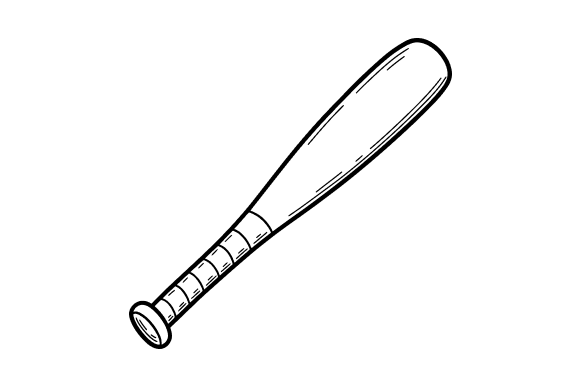
Baseball Bat Clip Art for Creative Projects
Whether you’re designing a sports-themed poster, building a presentation for a little league fundraiser, or crafting social media content for a brand that loves America’s pastime, baseball bat clip art offers a versatile visual shorthand for energy, competition, and teamwork. A single well-crafted illustration of a baseball bat can anchor a layout, reinforce a message, or add a subtle layer of meaning without overwhelming the rest of your design. And because clip art today comes in scalable, high-quality formats like SVG, EPS, PNG, and JPG, you’re not limited to a single use case or resolution. You get the flexibility to resize, recolor, and repurpose the asset across print, digital, and hybrid projects.
This article explores what makes baseball bat clip art genuinely useful, how different creative professionals can adapt it for their specific goals, and practical ways to keep your results polished, original, and audience-friendly. No hype, no fluff—just grounded ideas you can apply today.
What Makes Baseball Bat Clip Art a Smart Asset
At its core, baseball bat clip art is a pre-made illustration that saves you time without sacrificing visual quality. Instead of commissioning a custom drawing or spending hours in vector software, you drop a ready-to-use asset into your workspace and adjust it to fit your project. The best clip art collections include multiple file formats, so you can work across different tools and platforms without compatibility headaches.
What makes this particular subject interesting is its symbolic range. A baseball bat isn’t just a piece of sports equipment. It can represent:
- Action and momentum — a bat mid-swing suggests motion, effort, and progress.
- Tradition and nostalgia — classic wood designs evoke summer leagues, neighborhood games, and timeless values.
- Precision and skill — a detailed bat with grain texture or metal finish speaks to craftsmanship and performance.
- Team spirit and community — combined with a ball, glove, or uniform elements, it becomes part of a larger story about belonging.
Because the imagery is familiar but not overused, it strikes a balance between being instantly recognizable and flexible enough to fit unexpected contexts. You can use it in literal sports designs or as a metaphorical element in infographics, motivational posters, or brand identity work.
Creative Directions and Visual Styles
The way you present the bat dramatically changes the tone of your project. Here are several stylistic approaches worth considering, along with realistic use cases for each.
Classic Wood Grain and Vintage Detail
A wooden bat with visible grain, a natural finish, and maybe a hint of ash or maple texture works beautifully for retro-themed designs. Think of a poster for a community baseball league that wants to emphasize tradition over flash. Pair the illustration with serif typography, muted earth tones, and a distressed background texture. The result feels grounded and authentic. This style suits small businesses like local sporting goods stores, vintage apparel brands, or family-owned training facilities that want to communicate heritage and reliability.
Clean Vector Outlines for Modern Branding
If your project leans minimalist or corporate, go for a simplified vector outline. A flat, single-color bat silhouette in black, navy, or a brand accent color works well in app icons, website headers, or slide decks. The lack of detail makes it scalable and easy to reproduce across merchandise, signage, and digital ads. For example, a marketing agency building a pitch deck for a sports-tech startup could use this style to reinforce a sleek, professional identity without distracting from data-driven slides.
Whimsical and Illustrative Interpretations
For content targeting younger audiences or casual social media, a more playful bat illustration with exaggerated proportions, rounded edges, or cartoon-style highlights can feel inviting and approachable. This works well for children’s book illustrations, summer camp flyers, or sticker packs. The key is to keep the form readable while adding personality—maybe a bat with a slight curve that suggests a swing in motion, or one paired with a smiling baseball. The goal is warmth, not photorealism.
Textured and Hand-Drawn Effects
Digital clip art doesn’t have to look sterile. Some collections include hand-drawn or ink-style bats with rough edges, crosshatching, or watercolor washes. These bring an artisan feel to packaging, greeting cards, or editorial layouts. If you’re designing a limited-edition product label for a craft brewery’s seasonal ale, a hand-drawn bat with organic imperfections adds character and tells a story of handmade care.
Adapting Baseball Bat Clip Art for Different Users and Goals
Different creators need different things from the same asset. Here’s how various professionals can adapt baseball bat clip art for their specific context.
Graphic Designers and Brand Strategists
For designers, the priority is flexibility and consistency. Start with the SVG or EPS version so you have unlimited scalability. Adjust stroke weights, colors, and alignment to match your brand guidelines. Use the transparent PNG for quick mockups, then swap in the vector file for final production. A baseball bat graphic can serve as a supporting icon in a larger system—like a secondary badge on a website footer or a subtle watermark on business cards. Because the asset is simple, it won’t compete with primary logos or hero imagery.
Content Creators and Social Media Managers
Social feeds move fast. You need assets that work at small sizes and don’t rely on fine print. A bold baseball bat silhouette in a contrasting color performs well on Instagram stories, TikTok thumbnails, and Twitter headers. Pair it with a short, punchy caption about hitting goals or stepping up to the plate. Because clip art is lightweight, you can layer it with text, gradients, or other sports icons without slowing down your editing workflow. The transparent PNG format is especially useful here—drop it directly onto a photo or solid color background and adjust opacity for a polished look in seconds.
Educators and Coaches
In instructional materials, clarity matters more than decoration. Use baseball bat clip art to illustrate grip techniques, swing mechanics, or equipment checklists. A clean vector diagram with labeled parts (barrel, handle, knob, end cap) helps learners identify components without visual noise. For presentation slides, place a bat icon next to key bullet points to create visual rhythm and improve retention. Keep the style consistent throughout the deck—if you use a flat vector bat on one slide, don’t switch to a photorealistic one later. Consistency builds trust and reduces cognitive load.
Small Business Owners and Entrepreneurs
If you’re running a baseball-themed café, an indoor batting cage, or a sports memorabilia shop, clip art becomes part of your visual identity. Use it on loyalty cards, menu boards, promotional stickers, and email newsletters. Because you’re not a full-time designer, the ease of a pre-made asset saves you hours. Choose a single style and stick with it across all customer touchpoints. A wooden bat illustration on your storefront sign should match the one on your takeaway bags. This repetition builds recognition without requiring a custom illustration budget.
Practical Tips for Keeping Your Results Clear and Effective
No matter how creative you get, a few guiding principles will help your baseball bat clip art look intentional and professional rather than generic or thrown together.
- Respect negative space. A bat is a long, narrow shape. Leave enough breathing room around it so it doesn’t feel cramped. Especially in logos or app icons, crowding the asset with text or other graphics reduces legibility at small sizes.
- Choose colors with purpose. Don’t just pick brown because it’s a bat. Match the color palette to your brand or project mood. Warm amber tones for vintage feel, cool grays for modern tech, bright team colors for youth sports, or monochrome for editorial restraint.
- Scale with intention. A bat that’s too small loses its shape; one that’s too large can dominate a composition awkwardly. Test the asset at the actual size it will appear before finalizing your layout.
- Combine thoughtfully with other elements. A baseball bat alone is fine, but pairing it with a ball, glove, or diamond outline can tell a fuller story. Just avoid clutter—two or three related items are usually enough to convey the theme.
- Check file format requirements. For print, use EPS or high-resolution JPG. For web and screen, SVG or transparent PNG are usually best. Knowing the end platform helps you pick the right format upfront and avoid last-minute conversions that degrade quality.
Realistic Examples You Can Adapt Today
To make these ideas more concrete, here are three brief scenarios showing how baseball bat clip art might be used in real projects.
Example 1: Fundraising flyer for a local youth team. Use a warm wooden bat vector as a background watermark at 20 percent opacity. Overlay the flyer text in a bold sans-serif font. Add a transparent PNG of a baseball in the lower corner. The result is visually appealing without distracting from the call to action. Print on cream paper to reinforce the nostalgic feel.
Example 2: Instagram carousel for a sports podcast. First slide: bold quote over a dark background with a white bat silhouette centered. Second slide: clip art bat rotated 45 degrees next to a bullet list of episode highlights. Third slide: full bat illustration with the podcast logo superimposed. Consistent use of the same asset builds visual continuity across the carousel.
Example 3: Infographic about batting statistics. Use a simplified vector bat as a repeating divider between sections. Each section header includes a small bat icon in the team’s accent color. Data points like batting average and home run counts are displayed in clean bar charts, with the bat icon reinforcing the topic without overwhelming the numbers.
Why Quality File Formats Matter
The value of baseball bat clip art increases when you have access to multiple formats. SVG files let you scale the illustration to billboard size without pixelation. EPS files are standard in professional design software like Adobe Illustrator and CorelDRAW, making them easy to edit and integrate. High-resolution JPG files work for quick print jobs where vector compatibility isn’t available. And transparent PNG files are essential for overlaying the asset onto photos, colored backgrounds, or layered compositions without a white box around the image. When you have all four formats, you’re prepared for any workflow.
Whether you’re a seasoned designer building a comprehensive brand system or a hobbyist crafting a one-time poster for a backyard tournament, having clean, scalable baseball bat clip art in your toolkit saves time, reduces frustration, and lets you focus on the creative decisions that actually matter. Choose a style that aligns with your project’s tone, adapt the format to your delivery platform, and keep the composition clean. The result will look intentional, professional, and memorable.